
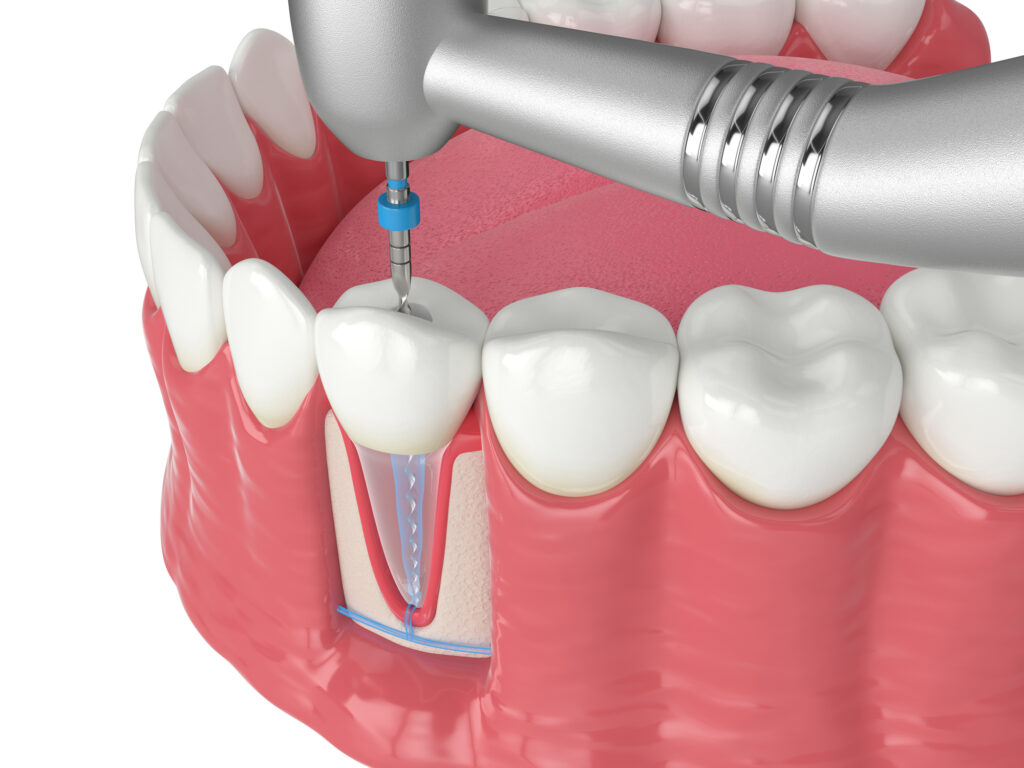
Hearing that you need a root canal can feel intimidating, but the recovery is often much easier than patients expect. Root canal treatment is designed to relieve pain by removing infected tissue inside the tooth while preserving your natural tooth whenever possible. Knowing what happens after your procedure can help you feel more prepared and confident about the healing process.
At McDowell Dental & Aesthetics in Rydal, Dr. Ashley McDowell combines advanced technology with a patient-first approach to make root canal treatment as comfortable and efficient as possible. A Magna Cum Laude graduate of Temple University’s School of Dentistry, Dr. McDowell has completed advanced training through the Las Vegas Institute (LVI) in restorative and cosmetic dentistry, allowing her to provide comprehensive care focused on long-term oral health.
Immediately After Your Root Canal
Once your procedure is complete, your mouth may remain numb for a few hours from the local anesthetic. It’s best to wait until the numbness wears off before eating to avoid accidentally biting your cheek or tongue.
Mild tenderness around the treated tooth is also common for a few days. This discomfort is typically manageable with over-the-counter pain medication and should gradually improve.
The First Few Days
During the first 48 to 72 hours, it’s a good idea to:
- Chew on the opposite side of your mouth if possible.
- Avoid very hard, sticky, or crunchy foods.
- Continue brushing and flossing gently around the treated tooth.
- Take any prescribed medications exactly as directed.
Most patients return to work, school, and normal activities the same day or the following day.
Why You May Need a Dental Crown
Many teeth treated with root canal therapy—especially molars—benefit from a dental crown. Because the tooth no longer contains living pulp, it can become more brittle over time. A custom crown restores strength, protects the tooth from fracture, and allows you to chew comfortably again.
Your dentist will let you know whether a permanent crown is recommended based on the location and condition of your tooth.
When Should You Call Your Dentist?
While most recoveries are uneventful, contact your dentist if you experience:
- Severe pain that worsens instead of improving.
- Significant swelling.
- A fever or signs of infection.
- A filling or temporary restoration that comes loose.
Prompt evaluation allows any concerns to be addressed before they become more serious.
Protecting Your Smile for Years to Come
A successful root canal can allow your natural tooth to last for many years with proper care. Regular dental exams, professional cleanings, and good brushing and flossing habits all help protect your investment in your oral health.
If you’re experiencing persistent tooth pain or have been told you may need a root canal, Dr. Ashley and the team at McDowell Dental & Aesthetics are here to help. Contact (215) 885-0555 to schedule an evaluation and learn about your treatment options in our comfortable Rydal office.
